Drywood Termites and Danville's Wood-Frame Homes
Why valley homes are vulnerable
Danville and the San Ramon Valley are built on wood, custom estate homes with extensive framing, trim, and decks, and older houses near historic downtown. Drywood termites need no soil contact; they live entirely inside dry wood, which makes eaves, attic framing, window and door trim, wood siding, decks, and fascia all fair game.
Because they work inside the wood, the damage is hidden. Most homeowners never suspect drywood termites until they find frass, a swarm, or wood that gives way under a finger.
The signs: frass and kick-out holes
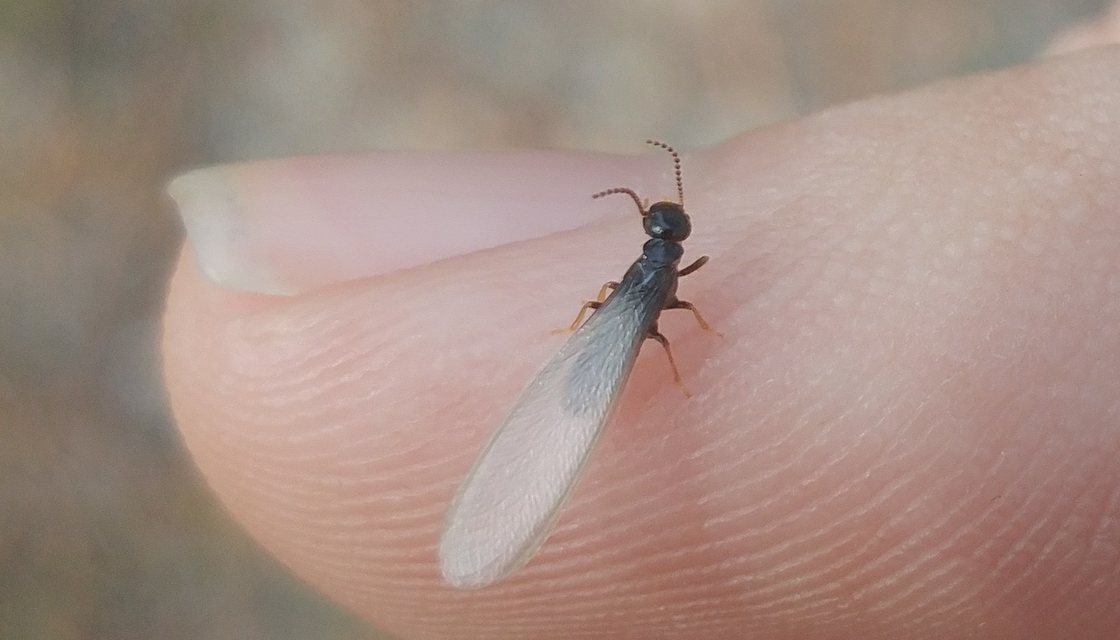
The clearest drywood sign is frass, tiny six-sided pellets, the color of the wood being eaten, that collect in small piles below infested eaves, trim, and attic wood. The termites push these pellets out through small kick-out holes. You may also see discarded wings on sills after a swarm, or blistered, hollow-sounding wood.
Don't confuse them with subterranean termites, which need soil, build mud tubes up the foundation, and are also common in the valley. The two are treated differently, so identification matters.
How they're treated
Confined drywood infestations can be spot-treated, injecting the galleries directly. When drywood colonies are widespread through the framing, whole-structure fumigation (tenting) is the reliable option. Subterranean termites, by contrast, are handled with a liquid soil-barrier treatment around the foundation.
The move is a prompt inspection. A local exterminator confirms which termite you have and how far it has spread, then recommends the least-invasive treatment that will clear it, and flags the moisture and wood-contact issues that invite them back. Catching it early is far cheaper than repairing structural damage later.
Dealing with this in Danville?
Call and connect with an experienced local exterminator.